
Cohort 1 Grantees
Between July 2024 and June 2026, these rural school districts and charter schools worked hard to bring more local products into school meals and to nurture their local partnerships.

ALASKA
Petersburg Borough School District
Growing Together: Enhancing School Nutrition through Farm Collaborations and Innovative Transportation Solutions in Southeast Alaska
Petersburg Borough is an island community in central Southeast Alaska. The town depends on food delivery from a barge service in Seattle. The community also relies on seafood and wild game, both of which are features of the school lunch menu. The school district sourced more food locally through a partnership with farmers and producers, and built a regional food system through networking. The project provided training opportunities for staff to learn ways to utilize produce, and developed resources to strengthen local procurement programs in Alaska.
CALIFORNIA
Nevada City School of the Arts (NCSA)
NCSA’s Nourish Collective
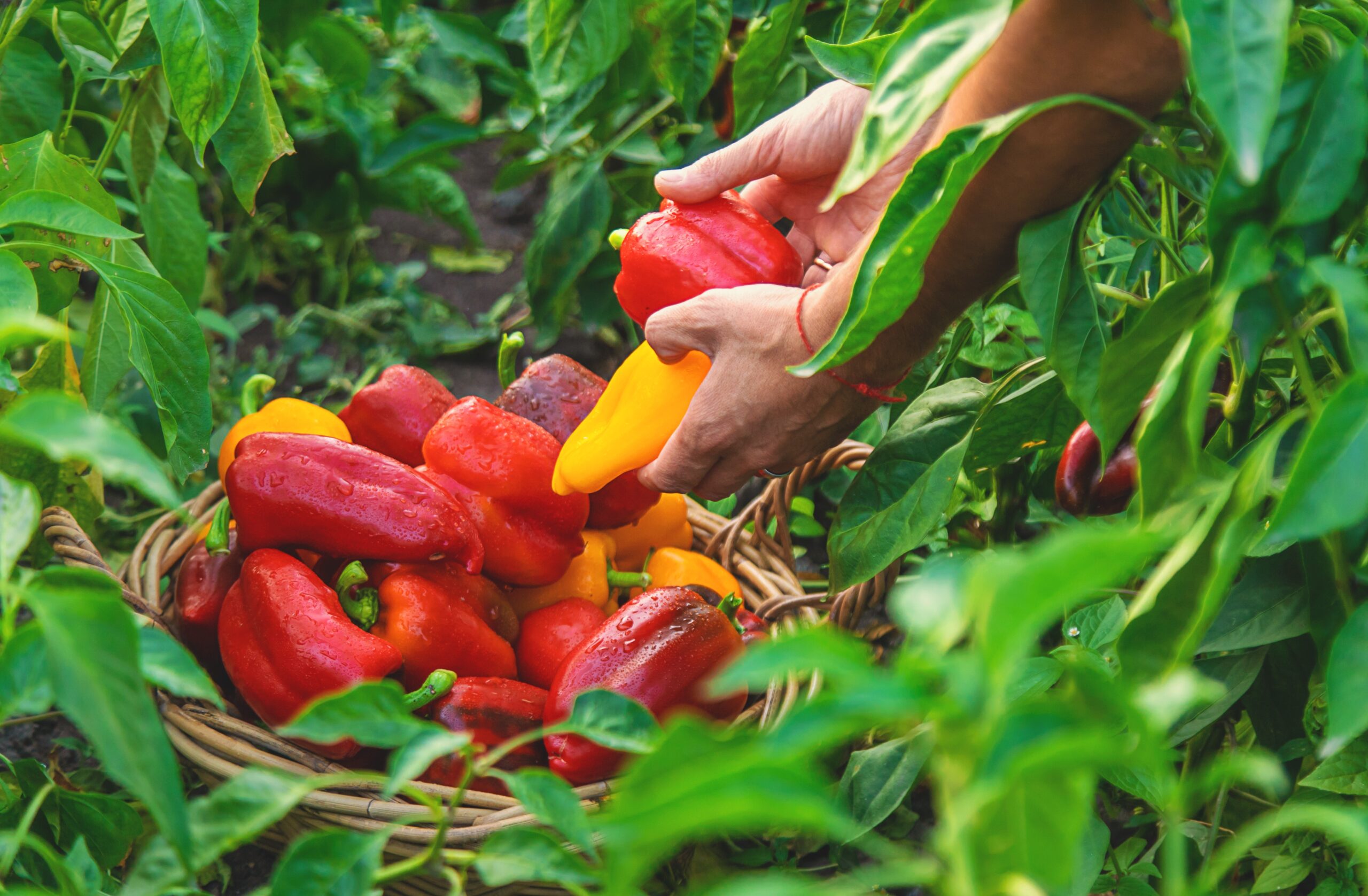
Nevada City is a town of 3,000 residents in California’s Sierra Nevada mountains. This charter school’s project enhanced local partnerships to address logistical challenges and develop new relationships within California’s farming community. Goals were to expand purchasing and strengthen the local economy. Activities included collaborating with local farmers for crop planning, increasing nutrition and watershed education, organizing on-campus farmers’ markets at school, visiting local farms, and hosting cooking lessons with guest chefs .
CALIFORNIA
Yosemite Unified School District
Improving School Meals through Farm to Fork
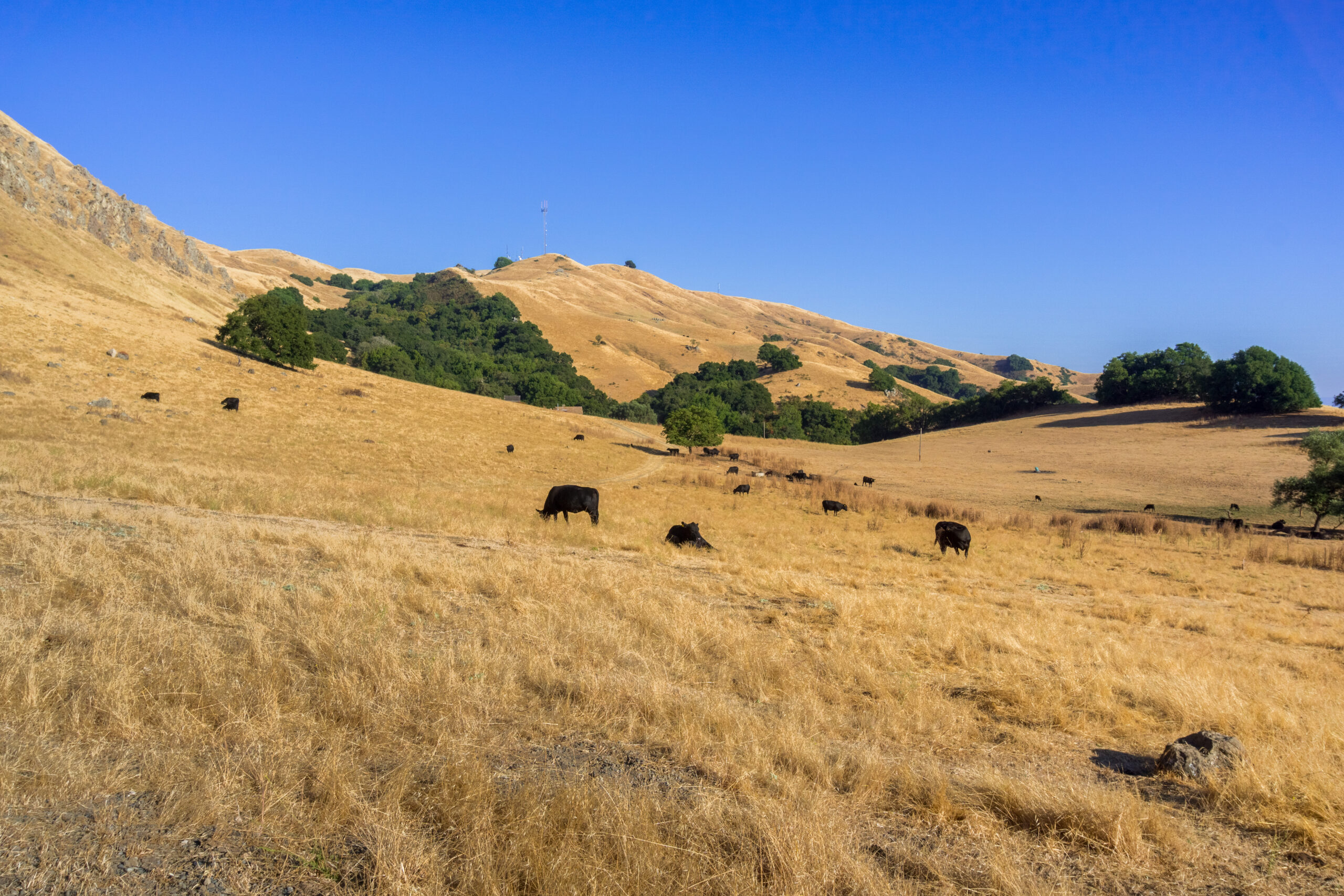
Yosemite School District serves students from the rural community of Oakhurst in California’s Sierra Nevada foothills. The district incorporated more locally grown foods into the meal programs, and promoted and introduced new farmers, growers, and producers to the regional food system through networking with other districts and organizations. Students had opportunities to meet agricultural partners and learn where their food comes from. Key partners included a local rancher, honey producer, and local farmers.
CALIFORNIA
Yuba Environmental Science (YES) Charter Academy
The YES Community Project
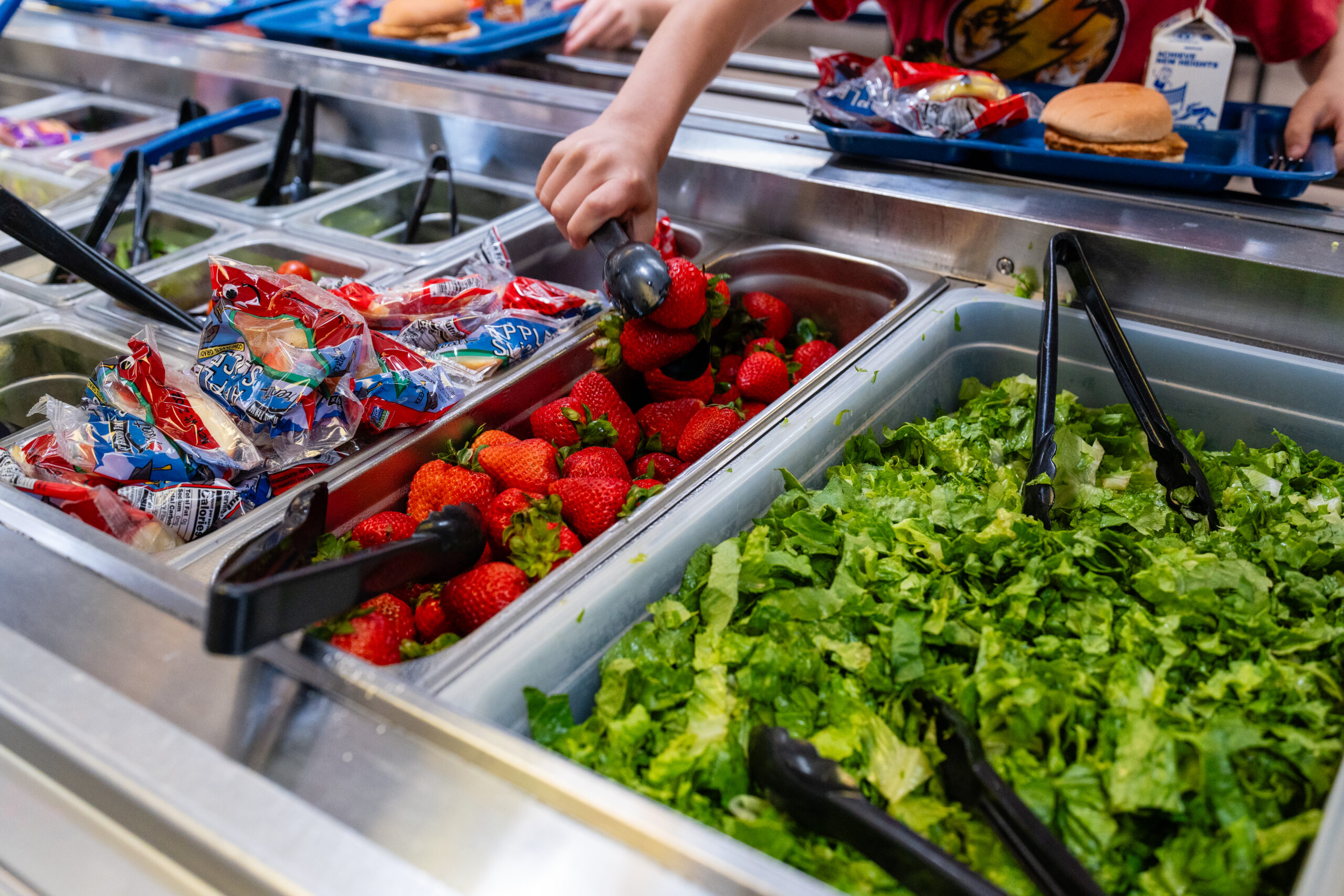
This charter school has a bold and innovative vision for the school to become a hub for agricultural activity and provide infrastructure for local farmers and aggregators. The project enhanced the growth of a local food system by integrating local farmers fully into the school and community. The project established a seasonal menu of scratch-cooked meals highlighting regional products, sourcing as much food as possible from farmers, ranchers, and aggregators within a hyper-local 10-mile radius. The project also mentored farmers about how to work with schools on packaging, marketing, and administration.
IDAHO
Gooding Joint School District
Locally Sourced, Community Strong: Elevating School Meals for a Sustainable Tomorrow
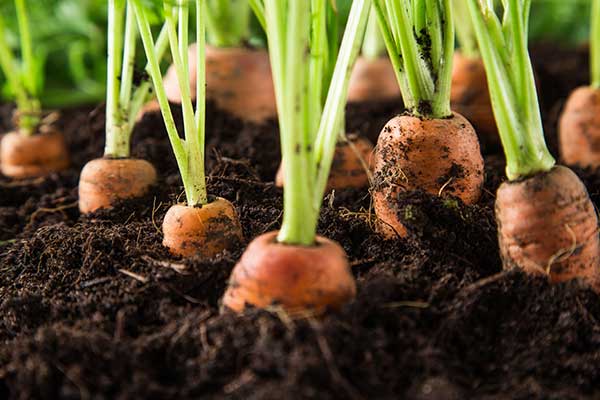
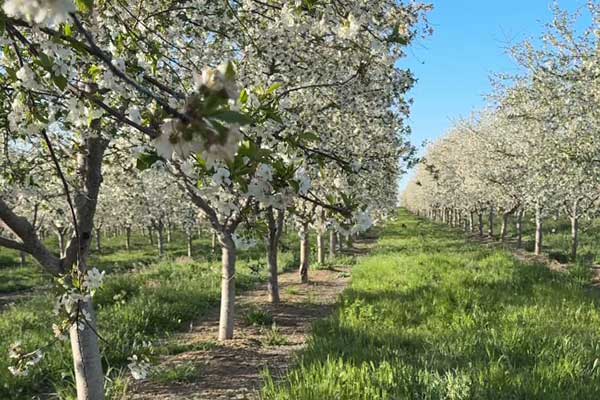
Gooding District serves a rural farming community in Idaho’s Magic Valley. The district’s child nutrition program increased student access to locally grown and Idaho-grown foods. The district implemented marketing strategies for a comprehensive cafeteria rebranding, and increased public awareness of the school nutrition program. Key partners included the statewide organization Dairy West and local growers. Activities included establishing and strengthening community and industry partnerships, increasing scratch-based cooking, providing specialized training for staff, and hosting community events.
IDAHO
Marsing School District
Homegrown for Healthy Roots: A Regional School Food System
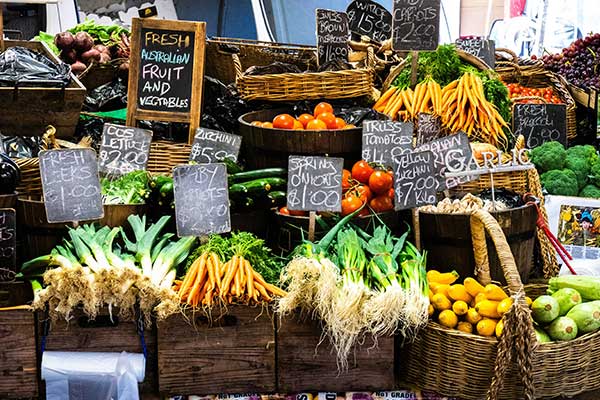
Marsing is an agriculturally rich community in Idaho’s western Treasure Valley, home to multiple small family farmers and ranchers with whom the district will build partnerships. The district’s child nutrition director also leads the Treasure Valley Cooperative, a food purchasing co-op of more than 40 districts and charter schools. This project established sustainable infrastructure between the purchasing cooperative and small local producers, resulting in lessons learned that apply to rural agricultural communities elsewhere. Activities included culinary training for staff, and hosting community events.
IOWA
Eastern Allamakee Community School District
Health is Kee
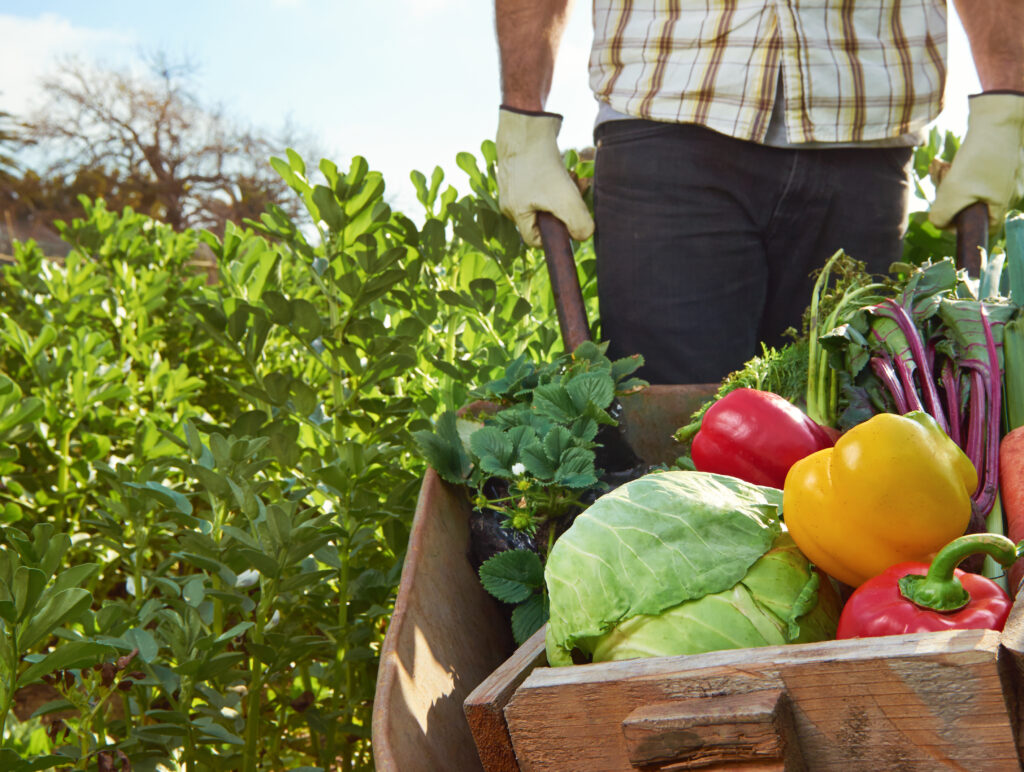
This school district serves two small rural towns in Iowa, with most of the land being farms or mountain bluffs. The district’s child nutrition program conducted a comprehensive marketing and community engagement initiative, actively involving students and the community. Central to the initiative was the “Health Is Kee” campaign, which will promoted healthy lifestyles and locally grown foods. The district integrated innovative technology into the meal program, enabling the tracking of food options and student preferences, and increasing scratch cooking.
NEW YORK
Attica Central School District
Growing Minds with Attica Meals
This school district serves a rural farming community in western New York state. Their project improved school meals through increased purchasing of local products for use in school meals, connections to growers, culinary training for school personnel, and expanded gardening education.
NEW YORK
Springville Griffith Institute
Harvest to Plate Project
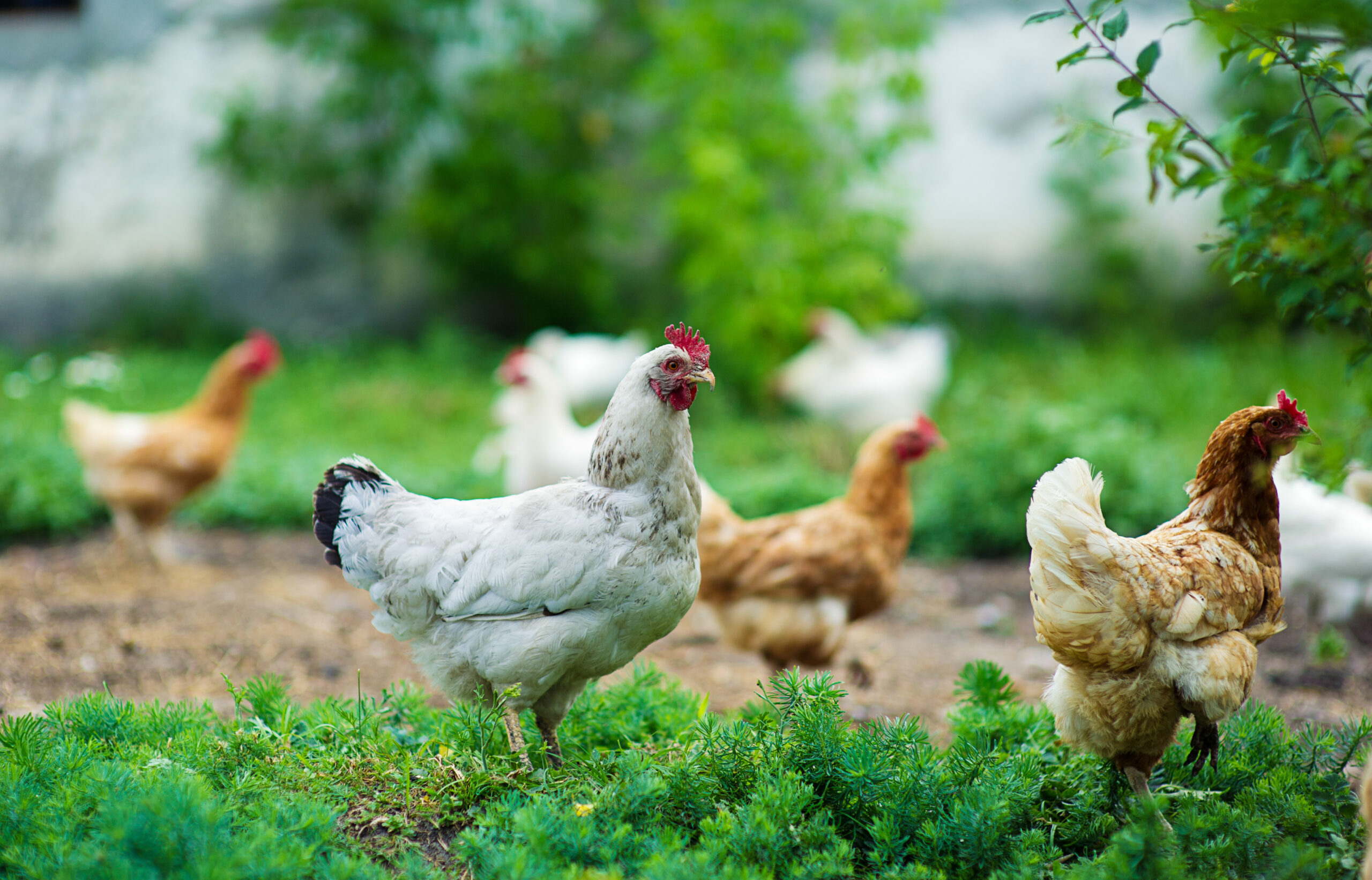
Springville Griffith Institute serves 1,800 students from five small towns in a rural area of western New York State. The school district focused on purchasing raw and whole animal proteins from local farms, with the purchased meat being processed, stored, and prepared in the district’s own kitchens. The district partnered with Cornell Cooperative Extension on these efforts.
RHODE ISLAND
Chariho Regional School District
Growing Together: Empowering Schools and Communities to Connect with Local Food Systems
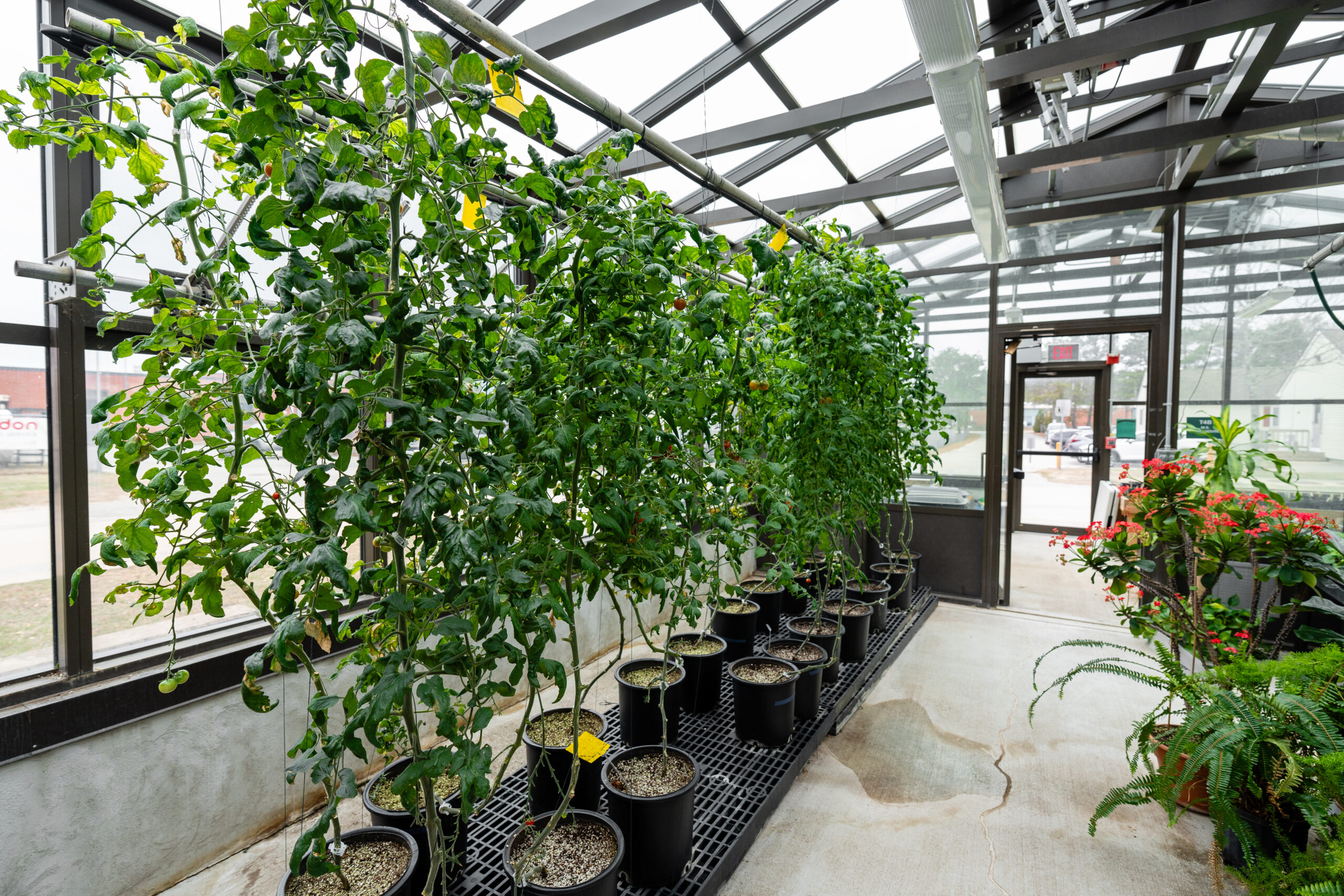
Chariho Regional School District is located in Washington County, known for its farming roots. Partnerships included family-owned farms and markets, a local museum, food hub, community food pantry, and several coalitions. Key activities included the use of hydroponic towers and dehydrators, and supporting dozens of paid high school interns across CHARIHOtech’s pathways, which focus on directly connecting them to local farms.
WASHINGTON
Concrete School District
Teaching and Feeding Students with Local, Seasonal Agriculture
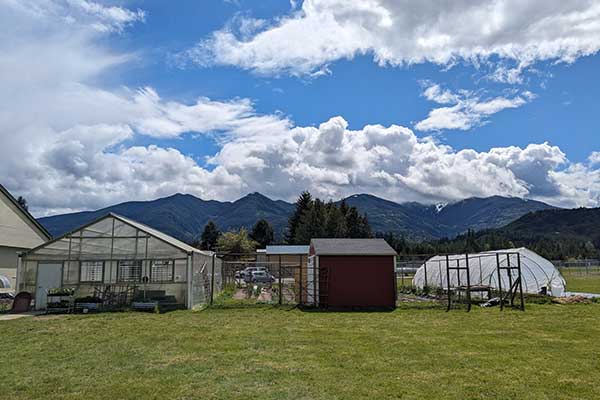
Concrete School District serves eastern Skagit County in Washington State. While the upriver area is rural and remote, 30 miles downriver is a diverse agricultural community that produces over 90 different crops. The school district partners with United General District 304 to connect students and families with locally grown, healthy food. Their project leveraged existing partnerships with farmers and distributors to increase local food procurement, scratch-made meals, and education to promote farm initiatives.

WASHINGTON
Inchelium School District
Celebrating Cuisine in School Cafeterias
The Inchelium School District is situated on the Confederated Tribes of the Colville Reservation, with a majority of students being Tribal members. The district partnered with the Northeast Washington Education Service District to revise menu plans and incorporate traditional foods into school meals. To achieve their goals they worked with existing partners and established new partnerships with a local farmer-owned food hub to improve the nutrition quality of their menu, develop a food delivery program in collaboration with local growers, and enhance their capacity to make scratch-based meals.