
Cohort 2 Grantees
We are pleased to announce the grantees selected for Cohort 2 of Project SCALES!
These projects run from July 2025 until June 2028. The teams will work on large-scale changes to improve the school food marketplace and ensure resilient school food systems.
CALIFORNIA
Lunch Bunch
Sprouted for Success: Nourishing the Next Generation
Partners
Buena Vista Foods
California Wheat Commission
Lodi Unified School District
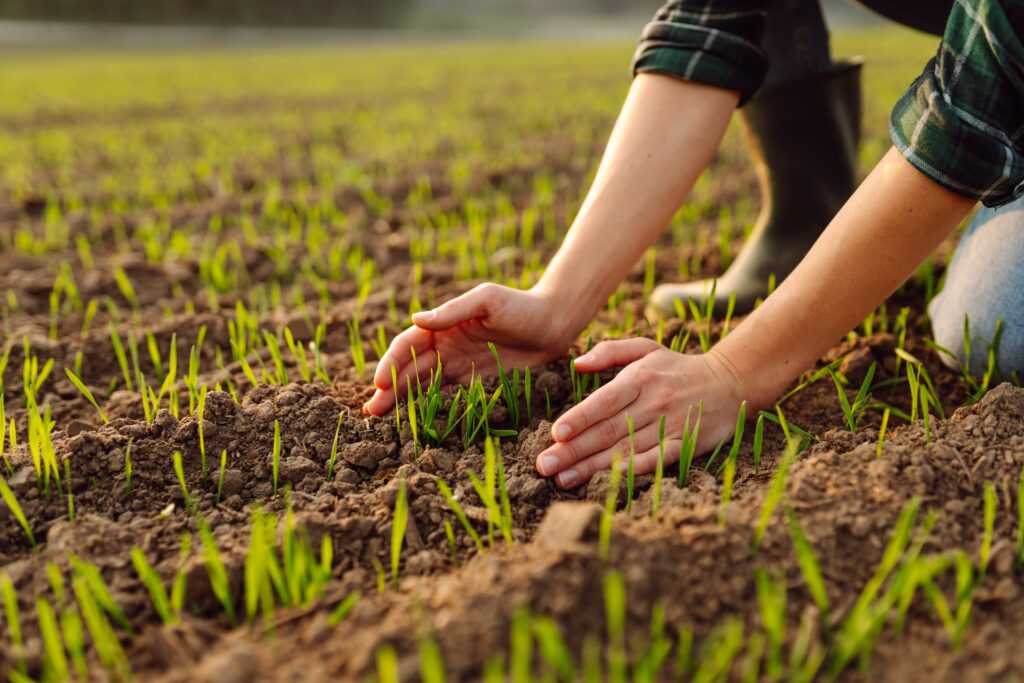
Lunch Bunch’s project aims to develop an innovative, health-forward food product for the K-12 market by integrating sprouted grains into familiar, student-loved formats. Sprouted grains offer improved digestibility, enhanced mineral absorption, higher antioxidants, lower sugars than traditional whole grains, and are even linked to improved mood and behavior, but they are rarely used in school meals due to cost, formulation complexity, and lack of supply chain adoption. This project will introduce sprouted wheat into Lunch Bunch’s High Five Hand Pies, beginning with a Cherry Sprouted Grain Pie, to create a cleaner-label, less processed, nutrient-dense option for students. The project is supported by the California Wheat Commission, which will provide technical and advisory support and facilitate connections to local farms and mills. In collaboration with Buena Vista Foods, a partner committed to clean-label, nutritious food options for children, Lunch Bunch will be introducing this and additional healthier sprouted grain options to school districts in California. Ultimately, this work will help improve student health outcomes and expand access to better-for-you school meal components statewide.
CALIFORNIA
Real Good Fish
Expanding Bay2Tray: Advancing Impact with Blue Catfish in School Meals
Partners
Alexandria City Public Schools (Virginia)
Caroline County Public Schools (Maryland)
Maryland Department of Agriculture
Tilghman Island Seafood
Virginia Department of Education
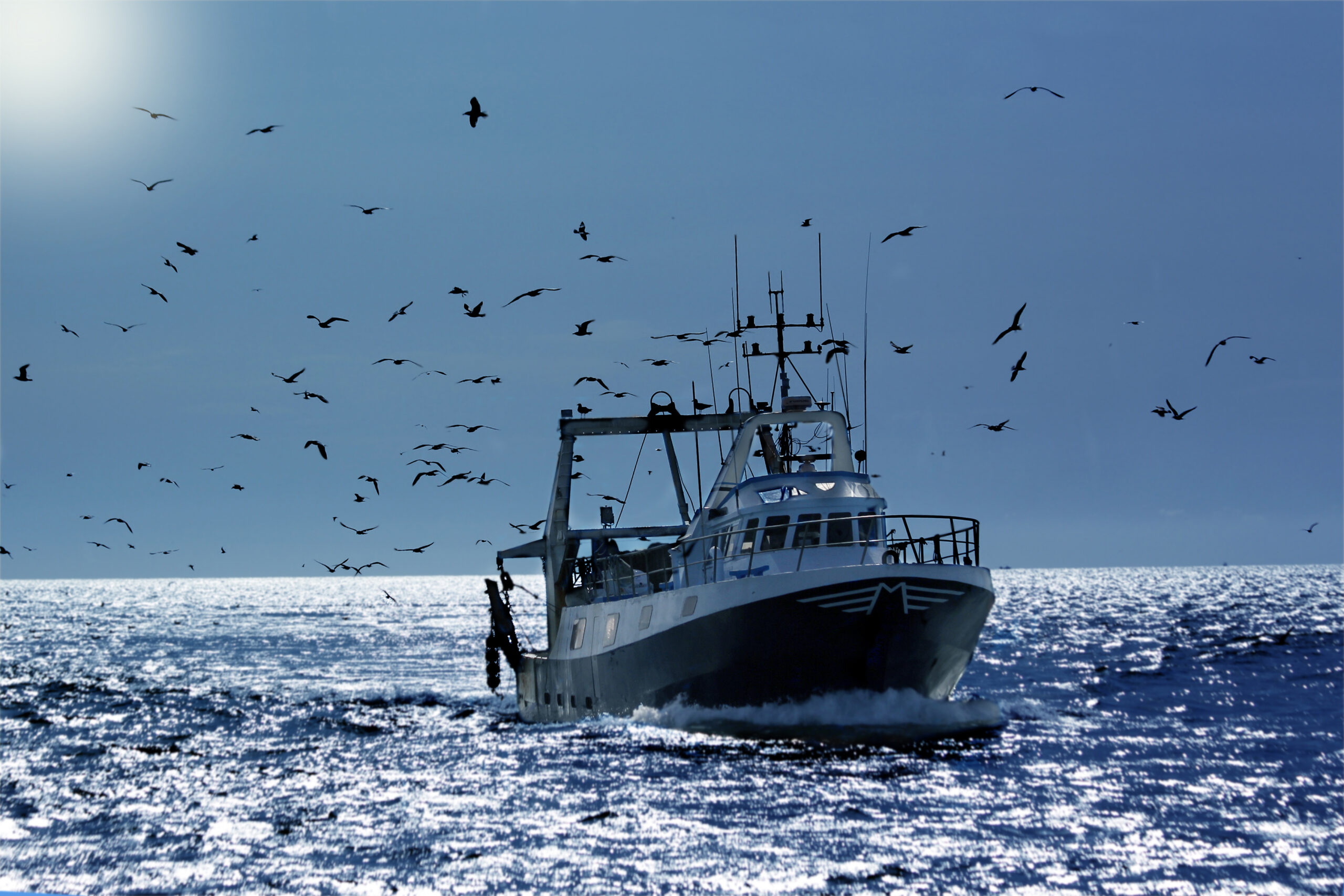
The Real Good Fish Bay2Tray program connects schools to high-quality, regionally sourced fish while also creating new markets for fishermen and seafood processors. Incorporating underutilized species, bycatch, or lower-cost cuts into value-added products, allowing schools to serve nutritious, affordable seafood. This initiative brings together school districts, seafood processors, and state agencies to address the Chesapeake Blue Catfish, an invasive species overwhelming local ecosystems. By serving this fish, schools can help restore balance in the Bay while offering students a mild, high-protein option rich in omega-3s, Vitamin D, and essential nutrients. Real Good Fish, Caroline County Public Schools, Alexandria City Public Schools, Tilghman Island Seafood, the Maryland and Virginia State Departments of Education, and the Maryland Department of Agriculture have partnered to expand access to Blue Catfish products, develop kid-approved recipes, train food service teams, and provide educational materials for classrooms. The initiative will also create a replicable model for fish-to-school programs in other coastal regions. Bay2Tray aims to ensure that every pound of Blue Catfish served directly supports Chesapeake Bay restoration, improves student nutrition, strengthens local economies, and builds a more resilient regional seafood system.
MINNESOTA
Minneapolis Public Schools
Guidebook for Local Supply Chain Development in School Nutrition
Partners
Minnesota Department of Agriculture
Russ Davis Wholesale
The Good Acre
Indianhead Food Service Distributor
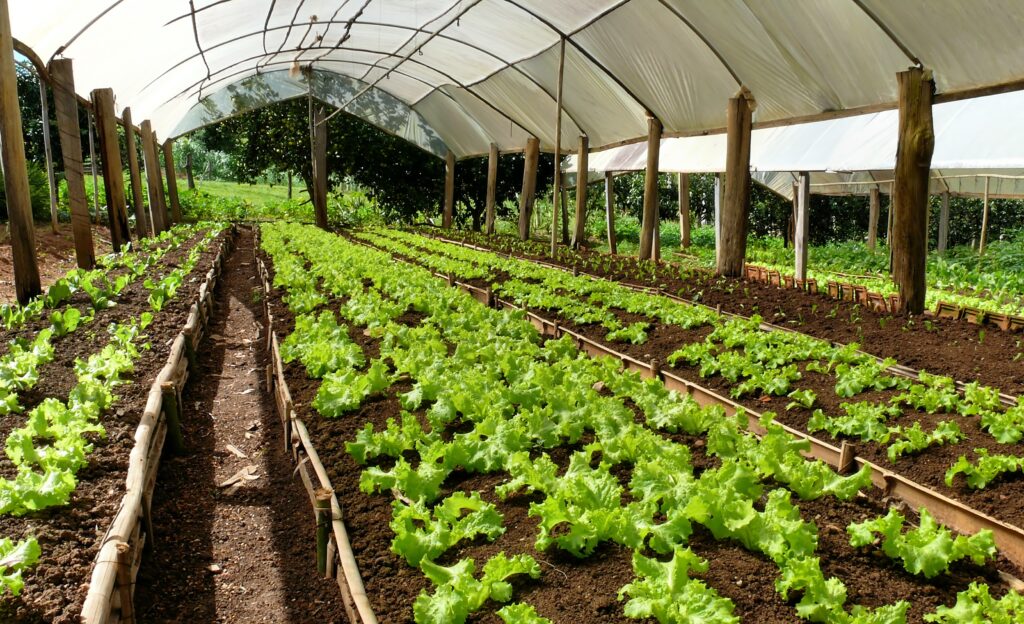
The Culinary and Wellness Services department at Minneapolis Public Schools (MPS) has a long history of working with local partners to expand and strengthen the school nutrition supply chain. The department guided the development of the True Food Procurement System, which incorporates the ideals of the Ingredient Guide for Better School Food Purchasing, the Good Food Purchasing Program, and a focus on local preference. A broad base of networked partners in the upper Midwest allows the district to offer students a range of locally-sourced options, while also providing partners access to a regional school nutrition market. A significant part of the project involves MPS working with new and existing partners to develop, refine, update, market, and integrate new and existing products into the regional school nutrition supply chain. Small and emergent farmers will be engaged, with a target of 2-3 new farms entering the school market each year, and developing 8-10 new food products over the course of the project. This project will also bring together partners to create a guidebook for school-led local supply chain development, which will serve as a template for other districts and organizations across the country. The guidebook will contain case studies of each partner, detailing their operation, history, interaction with school nutrition, along with challenges and successes.
MONTANA
The Montana Partnership to End Childhood Hunger
Investing in Montana School Food-System Transformation to Reach 33 x 33
Partners
Abundant Montana
Choteau Area Rural School Network
Helena Public Schools
The Producer Partnership
Vilicus Farms
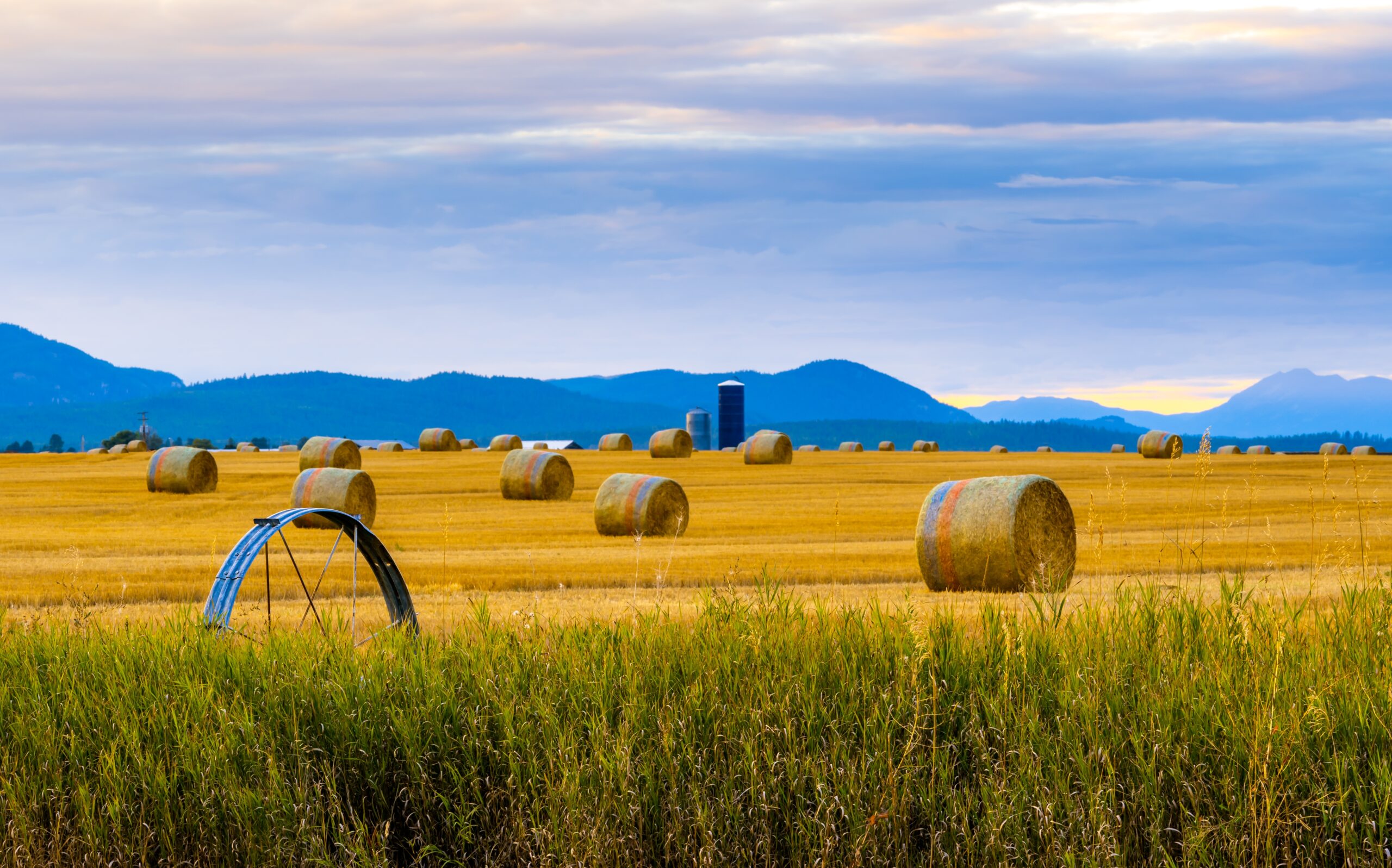
This project is designed to model—on a large, regional scale that can be implemented in other areas of the state—how entities in each region of the state can work together to increase the consumption of fresh, quality Montana-grown products. The team is building out the model with schools as the end purchasers of Montana-grown and processed foods to support and improve school meals. The project incentivizes innovation by providing a space for local producers, processors, distributors, and school food authorities to come together to prioritize products to move into the school food supply chain. The team will help these groups to identify pinch points that prevent products from moving into the supply chain, and will seek to address those challenges effectively. The project activities will bring school partners onto farms and ranches to expand their product knowledge as well as their product-use knowledge so they can innovate in their own in their own kitchens. The project engages school food authorities in the product-prioritization and product- and recipe-development process, including recipe testing and taste testing with students. This project will link schools and producers in the first-ever statewide local food purchasing platform, making widespread adoption of new products faster and easier.
OHIO
Cuyahoga County Board of Health
Distributor-Embedded Value Chain Coordinators to Grow the Food System
Partners
Cincinnati Public Schools
Cleveland Metropolitan School District
Sirna and Sons Produce
What Chefs Want
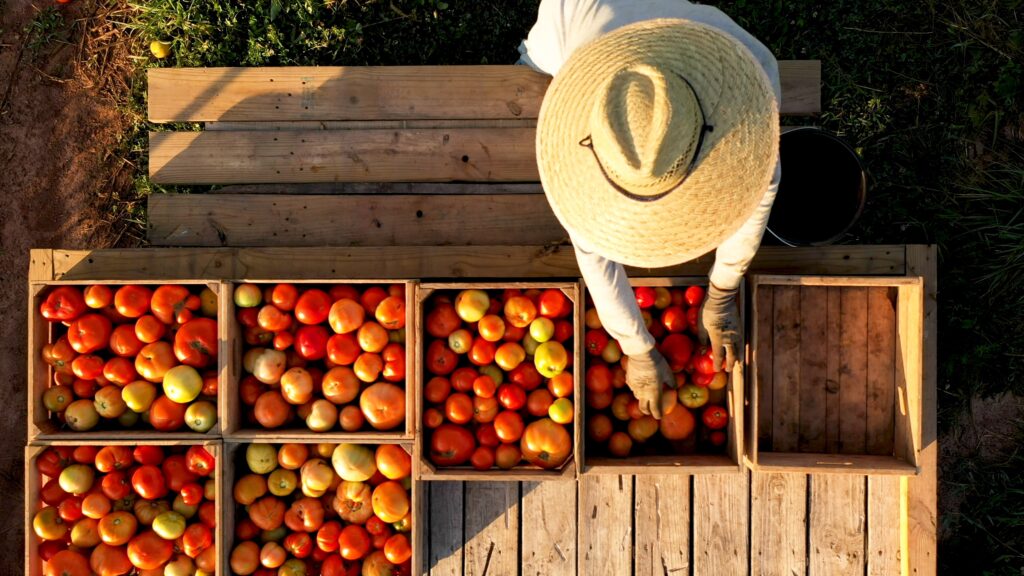
The Cuyahoga County Board of Health has been doing successful farm to school work for more than ten years in Ohio, providing support to more than 70 school districts, with more than $3.4 million spent by school districts on local and regional foods. However, buying local foods and value-added products is complex, especially when the local food system cannot compete with the traditional supply chain. This project builds small food systems into a bigger food distribution world via value chain coordination to connect suppliers, buyers, and their broader school communities. The activities include: 1) providing training and technical assistance on value chain coordination; 2) embedding value chain coordinators within three distribution companies to increase specific products available to schools that include local and regional produce, fresh-cut products, and value-added products; 3) proposing and piloting new value-added products in two urban school districts; 4) increasing spending on local and regional produce and value-added products by school districts in two regions of Ohio; and 5) creating marketing materials that better connect the food system to students. This collaborative project represents a significant step toward fostering partnerships that enhance local food access. The focus on value chain coordination, continuous training, and pilot projects will address immediate challenges and lay the groundwork for scalable solutions in the future.
SOUTH CAROLINA
Greenville Public Schools
Leveraging Community Partnerships for Sustainable Local Foods to Schools
Partners
South Carolina Department of Agriculture
Feed and Seed Company
Senn Brothers Produce Company
The Palmetto Purchasing Group
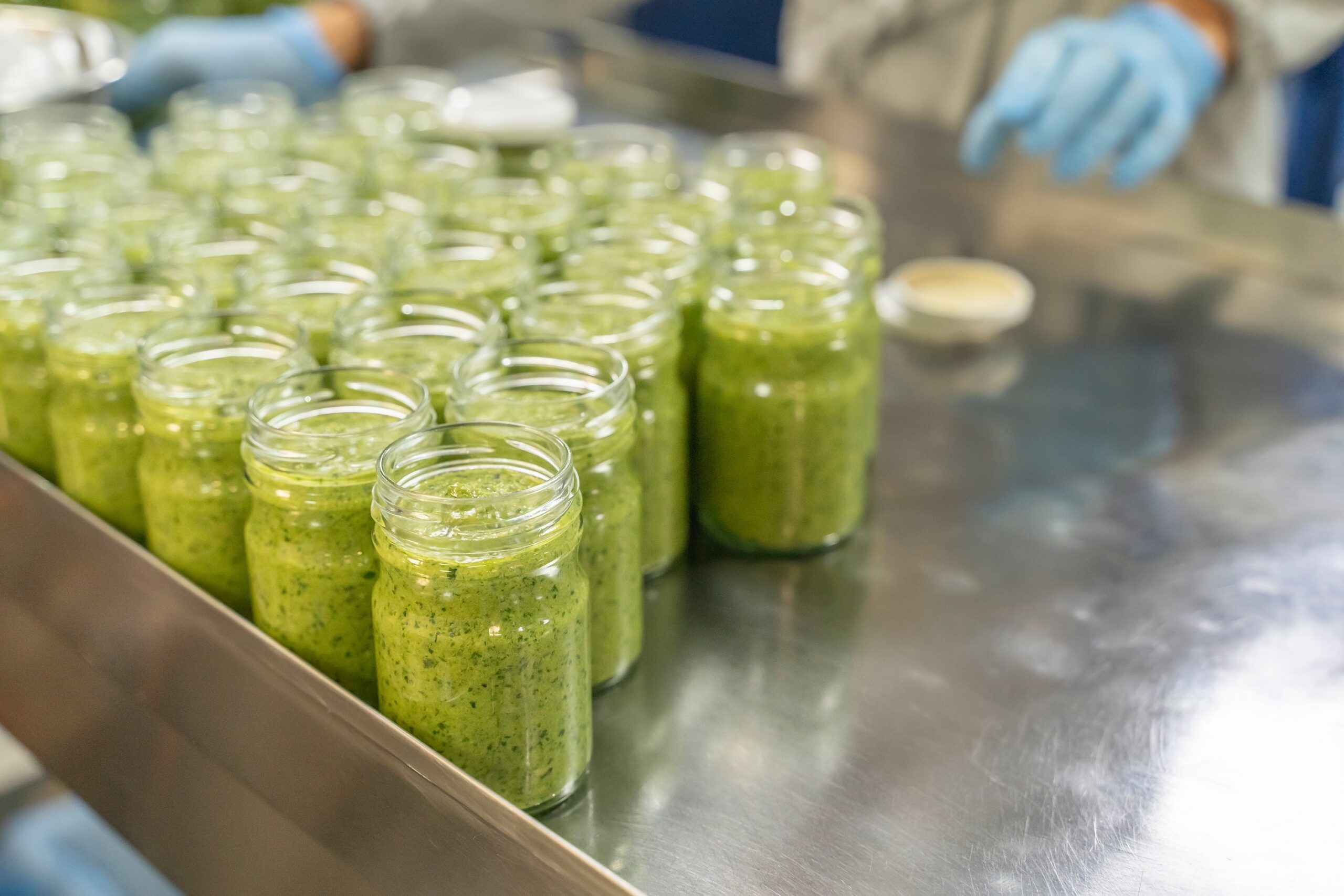
This team includes Greenville County Schools as lead, in collaboration with the South Carolina Department of Agriculture. Key partners are the Feed and Seed Company as a production hub, The Palmetto Group representing 24 school districts, and Senn Brothers Produce Company as a logistics partner. The team will collaborate to identify local produce to be processed into value-added products and distributed to school districts. The project aims to create an innovative and sustainable K-12 school food system by enhancing partnerships, streamlining processes, and increasing the availability of locally-sourced products. By identifying local produce and processing it into value-added products such as nut-free pesto, the project reduces challenges related to sourcing, producing, and distributing local foods. The initiative supports school nutrition teams by increasing the use of local ingredients and offering meal options that meet student preferences. By May 2028, the project will establish partnerships with at least 15 local farms and 15 school districts, increasing locally grown, value-added products on school menus by 30% per menu cycle. The project also seeks to increase the production volume of locally sourced value-added products at Feed and Seed Company by 200%. This team aims to establish best practices for local sourcing, production, and distribution that can be scaled and replicated across other districts.
US VIRGIN ISLANDS
Virgin Islands Good Food Coalition
SCALING GOOD: A Prototype for Local Food Transformation for Territories and Islands
Partners
Island Food Security
Sejah Farm
Virgin Islands Department of Education
Virgin Islands Farmers Alliance
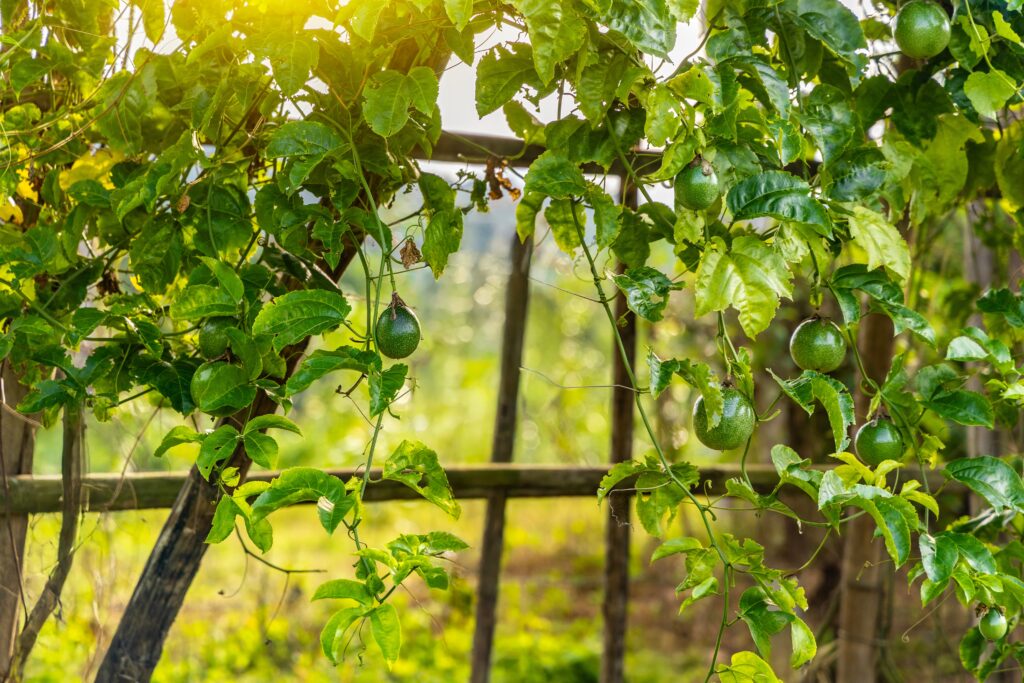
SCALING GOOD is an initiative to revolutionize how schools access and purchase locally-sourced food. This project bridges the gap between farmers, schools, and communities by establishing a centralized food hub on St. Croix, serving as a prototype to address the unique challenges of island communities. The project employs a hub-and-spoke model, where farmer collectives and community fruit contributors feed into the St. Croix hub, which will later connect with hubs on St. Thomas and St. John. The hub will aggregate, store, and process local produce while providing training, certifications, and tools for farmers to meet institutional procurement standards. An upgraded Virgin Islands Virtual Farmers Market platform will streamline procurement processes. SCALING GOOD will train 40 farmers, facilitate Group GAP Certification, and pilot the model with farmer collectives. The project will support the creation of value-added products such as salsas, sauces, fruit-based dips, or dried chips that align with USDA nutritional guidelines and support shelf-stability and institutional feasibility. This initiative will reduce reliance on imports, increase farmer incomes, and build a resilient food system. SCALING Good is more than infrastructure—it’s about fostering sustainable food systems, creating lasting benefits for the Virgin Islands and beyond.
VERMONT
Northeast Organic Farming Association of Vermont
Bridging the Gap – Supply Chain Transformation for Vermont School Meals
Partners
Addison County Relocalization Network
Burlington Food Hub
Center for an Agricultural Economy
Essex Westford Supervisory Union
Food Connects
Green Mountain Farm to School
Salvation Farms
Shelburne Farms
Vermont Farmers Food Center
Windham Northeast Supervisory Union
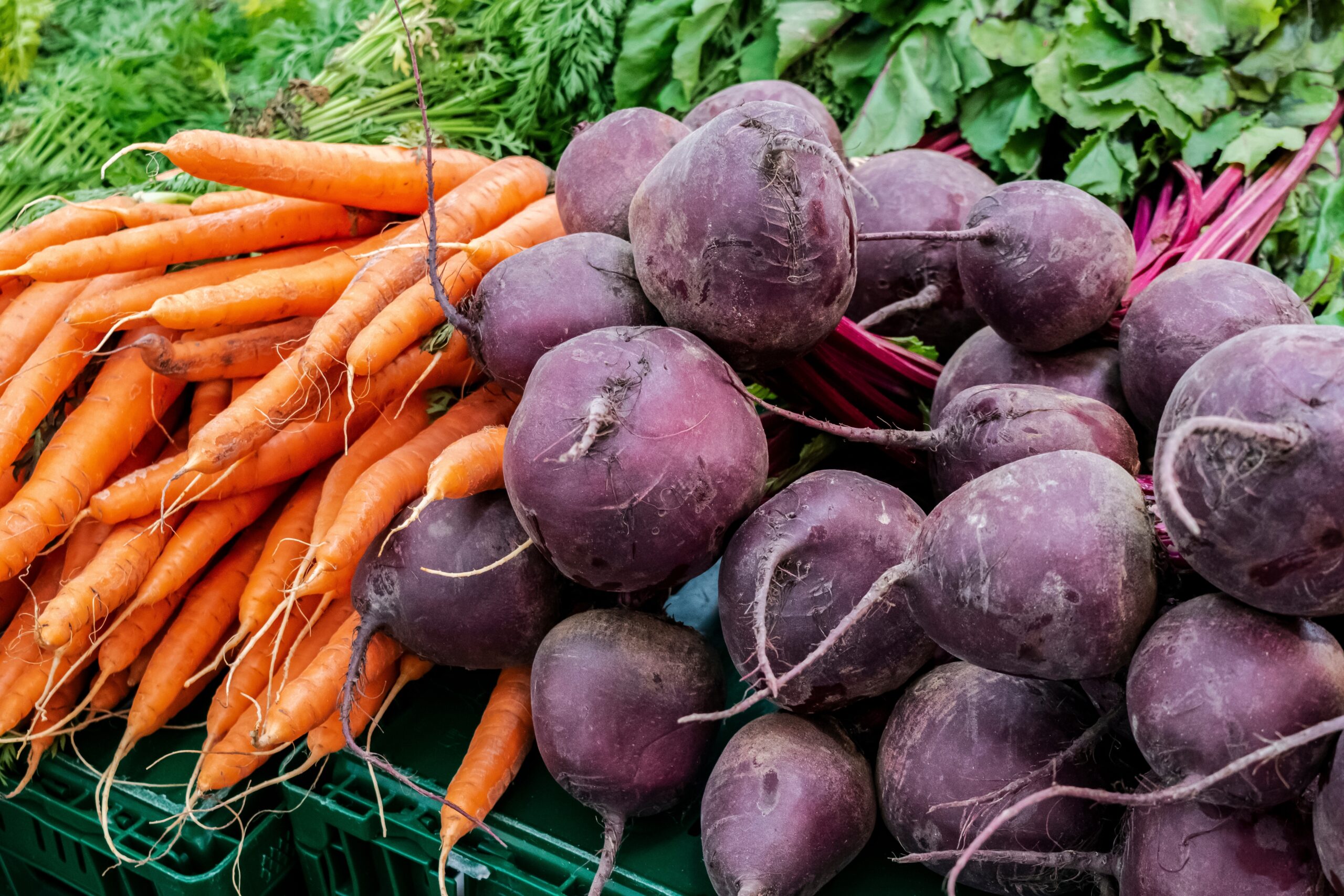
This collaborative project brings together partners across Vermont’s farm to school community to transform school food systems into resilient and sustainable models, and to ensure that every student in Vermont has access to nutritious meals. The project addresses three critical barriers that are currently restraining the potential of Vermont’s school food supply chain: insufficient local supply of the food products school kitchens rely upon, like bakery items and lightly processed vegetables (supply); limited K-12 sales and customer support capacity among food hubs (distribution); and inconsistent demand for locally produced foods among K-12 buyers (demand). By focusing on product development, strategic investment in Vermont’s food hubs, and ensuring the spread of K-12 local procurement statewide, this project will pull on the three levers required to significantly increase local food procurement in schools. The work engages a network of stakeholders with a proven history of collaboration and shared goals. Building on the ongoing work of The Northeast Organic Farming Association of Vermont and key partners, this initiative provides resources and capacity at a pivotal moment for schools and communities.
WASHINGTON
Washington State University – Clallam County Extension
North Olympic LEARNS: LEveraging Agri-food systems for Resilient rural Networks and Schools
Partners
Chimacum School District
Forks Food Bank
Jefferson County Community Wellness Project
Jefferson County Food Bank Association
Port Angeles Food Bank
This project aims to build resilience in the rural Western Washington food system by strengthening and utilizing existing supply chains to grow regional farm to school connections. Although school food authorities (SFAs) have made commitments to purchasing local foods, they often cannot consistently access products from small regional farms because of their distance from production areas, lack of infrastructure, or staffing challenges. In the North Olympic region, the largest food industry is the emergency food system; a network of food banks and pantries serve nearly a quarter of the population. By leveraging, enhancing, and expanding the infrastructure and systems that support the emergency food system, this project will innovate a scale-appropriate distribution network of micro food hubs and food processors, which will strengthen infrastructure, and build food system resilience, while reducing barriers for local SFAs and producers. The project will increase technical assistance for farms and build a collective of school nutrition professionals that can plan together, participate in skills-sharing, implement forward contracting with local growers, and benefit from a streamlined ordering process. The project will also upgrade existing processing kitchens to develop minimally processed products using local ingredients, further reducing barriers for SFAs to incorporate local foods while reducing food waste and deepening youth culinary education.